
Active Lifestyle
Seven Days of Supplement Notes: Observing Active Routines in Jakarta
Adrian Wijaya
·
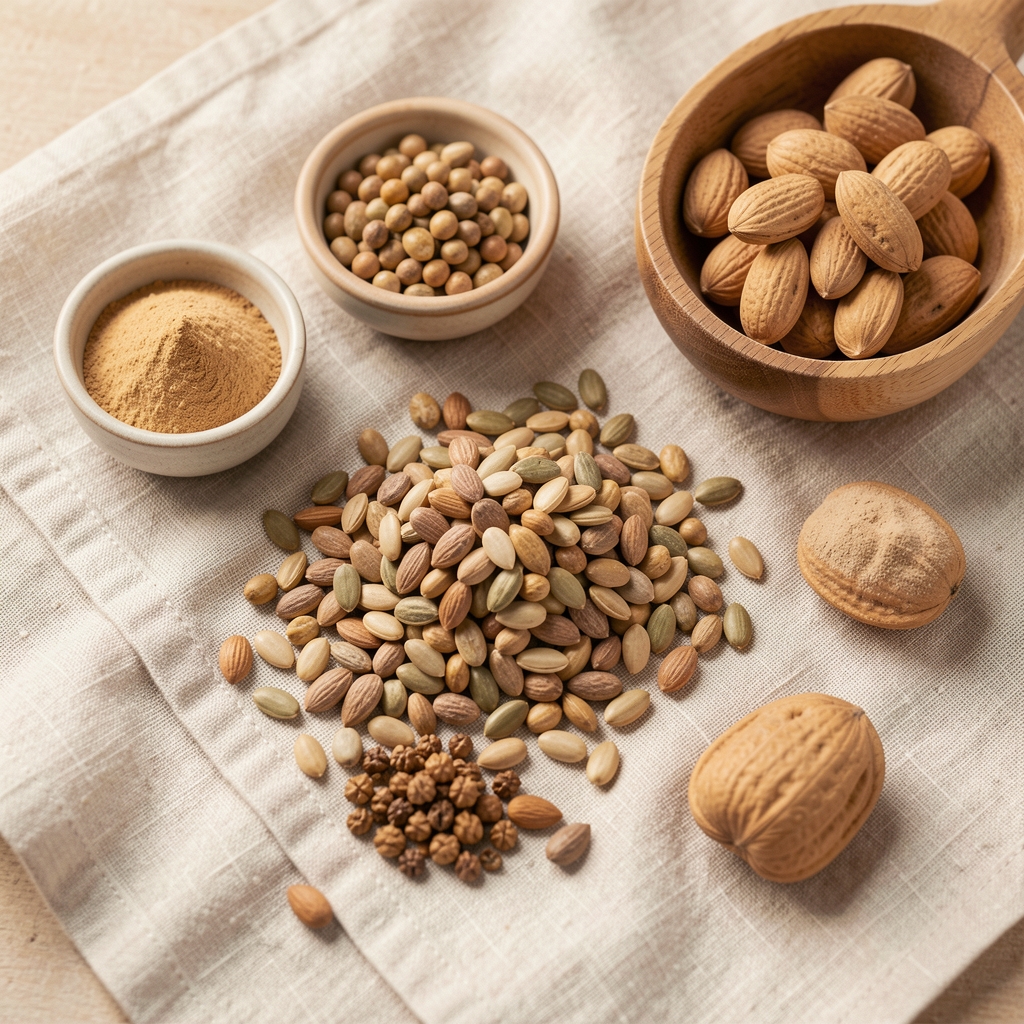
Jakarta, February 2026 — In the supplement routines of active men across the Indonesian capital, two minerals recur with notable consistency: zinc and magnesium. Their presence in the daily supplement stack is not incidental. Published nutritional research has documented both minerals as contributors to the physiological demands of an active lifestyle, and the editorial observations gathered by Daloben Letters across several months of field correspondence reflect this pattern.
Zinc occupies a particular position in the supplement habits of active men. It contributes to daily nutritional balance and is found naturally in meat, seeds, and legumes — food sources that may not appear with regularity in the schedules of men managing demanding professional and physical routines. In the nutritional literature, zinc is among the most frequently cited minerals in the context of men's wellness awareness, appearing in dietary guidelines across multiple national health research bodies.
The editorial team reviewed published nutritional summaries from the past decade of research on mineral intake in men aged 25 to 50. Zinc was identified in a substantial portion of reviewed studies as a mineral where daily dietary intake may not consistently reach the reference values established by nutritional researchers — particularly among men whose diets lean toward refined carbohydrates and processed protein sources rather than diverse whole-food inputs.
Field correspondents reporting to Daloben Letters noted that many active men in Jakarta who maintain a supplement routine include a zinc-containing product as part of a broader mineral-focused stack. The rationale most frequently cited is not a specific wellness claim but rather a practical acknowledgement of dietary gaps — the understanding that a varied daily diet may not, in the context of urban Indonesian life, consistently provide the mineral variety that nutritional research suggests for sustained daily energy awareness.
Magnesium appears alongside zinc in a high proportion of the supplement notes documented by Daloben Letters' field correspondents. Unlike zinc, magnesium's presence in the supplement stack is often described in relation to physical output — the active men interviewed noted an awareness of magnesium's association with muscle function, referencing conversations with qualified health professionals and independently reviewed nutritional literature.
Magnesium is found in nuts, leafy green vegetables, and whole grains — food categories that, while available throughout Jakarta's markets, do not always form the backbone of a working professional's daily eating pattern. The relationship between physical activity levels and magnesium awareness is well-documented in nutritional research. Among the editorial correspondents who provided notes for this piece, those who maintained regular physical training sessions expressed the strongest awareness of magnesium as a dietary consideration, typically having encountered the subject through published fitness and nutrition resources.
The typical magnesium supplement format noted in the Jakarta field observations was a standalone mineral capsule or a combination mineral supplement, often taken in the evening. The timing choice was described by correspondents as influenced by general nutritional guidance rather than personalised assessment — further underscoring the role of published information as the primary driver of supplement decisions in this demographic.
"The supplement habit, when observed in context, reflects the nutritional gaps of a particular lifestyle — not an abstract desire for enhancement."
— Field Note, Daloben Letters, January 2026The pairing of zinc and magnesium in a daily supplement routine was a consistent pattern across the field notes gathered for this article. In nutritional literature, the two minerals are not always discussed together — their research bases are largely independent. However, among the active men whose routines were observed and documented, the combination appeared frequently as a practical choice: two minerals, both noted in published nutritional research as relevant to active men's wellness awareness, taken together as part of a morning or evening routine.
Several correspondents noted the availability of combination mineral supplements — products containing both zinc and magnesium in a single format — as a factor in their preference for the pairing. The convenience dimension of supplement habits is often underrepresented in nutritional research, which tends to focus on individual mineral functions rather than the practical logistics of daily supplementation. Daloben Letters' observations suggest that the form factor of a supplement — whether it requires multiple products or consolidates common minerals into a single intake — plays a significant role in adherence to a daily routine.
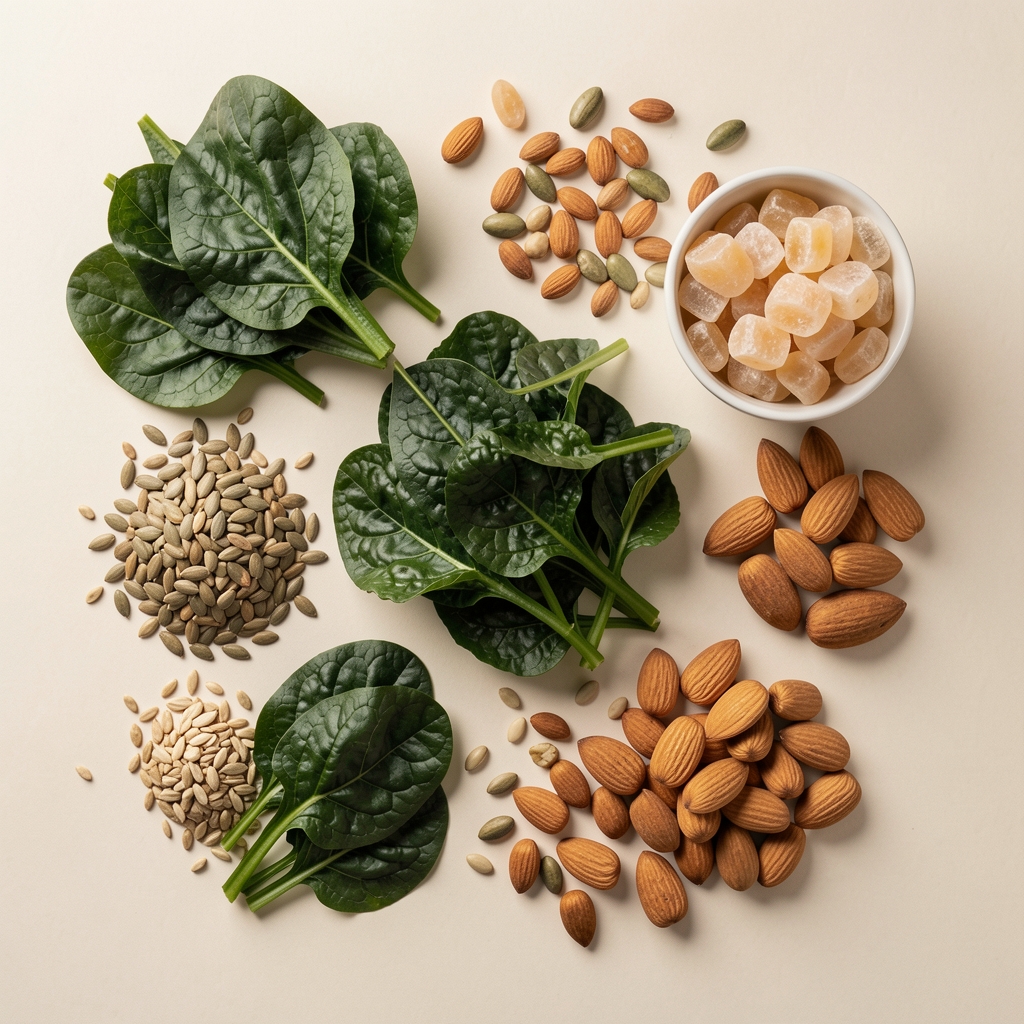
Published nutritional research on zinc and magnesium in men's diets spans decades of peer-reviewed work. The editorial team's review of available literature identified a consistent thread: both minerals are categorised as essential in standard nutritional frameworks, meaning the body does not produce them independently and must obtain them through dietary intake or supplementation.
For active men specifically, nutritional researchers have noted patterns of mineral depletion associated with high physical output, perspiration, and dietary irregularity — all conditions that may be relevant to the Indonesian urban professional context documented in Daloben Letters' field observations. This does not constitute a basis for a wellness claim. It represents, rather, the nutritional context within which the supplement habits observed in Jakarta operate.
The editorial team acknowledges the limits of observational documentation: the patterns noted here reflect a specific demographic subset and should not be read as generalisable health guidance. Readers with specific health considerations are encouraged to speak with a qualified health professional before introducing any new supplement into their daily routine.
The active man in Jakarta navigates a nutritional environment shaped by several distinct factors: a rich local food culture with varied whole-food ingredients alongside the practical constraints of urban professional schedules. The combination produces a demographic that is nutritionally aware — often informed by published resources on men's supplements — but constrained in its ability to maintain consistently varied dietary intake.
The supplement habits documented by Daloben Letters' correspondents are not a response to diagnosed deficiency. They represent a practical engagement with nutritional awareness — an informed, if imperfect, attempt to support daily energy balance and active lifestyle routines through consistent mineral supplementation. Zinc and magnesium emerge from this context not as exceptional choices but as the most frequently encountered and most clearly supported by the nutritional literature that active men in the region are consulting.
This editorial will be updated as further field correspondence is gathered. The journal continues to document the supplement routines of active men in Jakarta and across Indonesia, with a focus on evidence-informed observation rather than prescriptive advice.

Ryan Santoso is the primary editor of Daloben Letters. He documents men's nutritional habits and supplement routines with a focus on evidence-informed observation and the Jakarta active lifestyle context.
More from this author →